Coming home

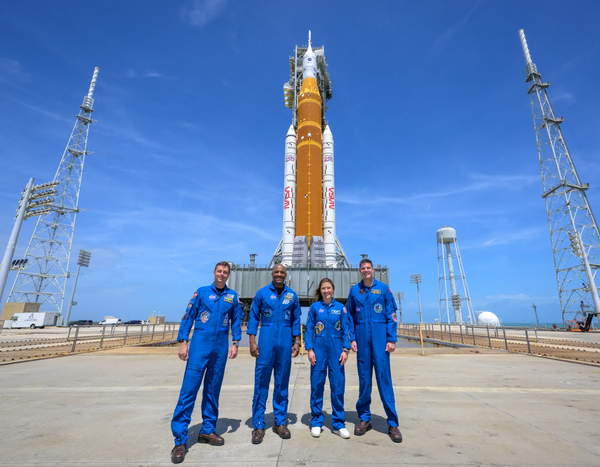
When I sent last week's newsletter, the crew had been in space for two days. They were still in Earth's gravitational sphere of influence, running systems checks, sleeping in four-hour shifts, dealing with a malfunctioning toilet. The moon was still four days away.
Since then, the crew have completed the lunar flyby, broken the record for the furthest any human being has ever travelled from Earth, watched a solar eclipse from deep space, endured a 40-minute communications blackout behind the far side of the moon, and named a crater Carroll, after Reid Wiseman's late wife. At their furthest point, they were 252,760 miles from home, further than any person in history.
Tonight (Friday 10th), they come home.
Splashdown is at 1am BST Saturday morning, in the Pacific Ocean off San Diego.
What has happened since I last wrote
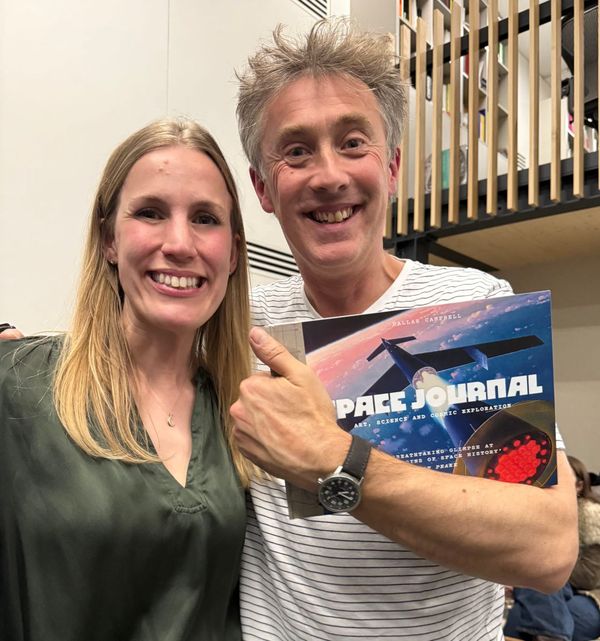
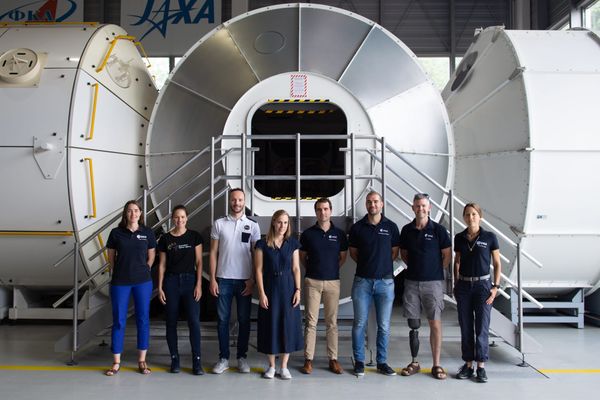
So much! I haven't had much sleep. I've been staying up to watch the NASA press conferences held at 10pm my time so that I'm prepared for early morning interviews. I have done a dozen radio interviews, three TV appearances, and this week BBC News published a piece about my work training astronauts at ESA and how I hope Artemis II inspires the next generation.
On Friday morning at 10am BST I will be back on the BBC News channel ahead of splashdown. If you are around, tune in :-)
I am trying to soak it all in, because it really has been the most extraordinary mission. Although I trained astronauts in the psychological skills they need for a mission such as this, I have found all of it so fascinating. Watching the crew bond and work together in such a confined space; hearing their interaction with Mission Control and the lunar science team during that seven-hour lunar flyby; and with it all, the everyday things of living in space... sleeping, eating, exercising.
On Day 7, still glowing from the flyby, the crew made the first ever ship-to-ship call between a lunar mission and the International Space Station. Christina Koch told the ISS crew (including ESA astronaut Sophie Adenot) "every single thing that we learned on ISS is up here." She and Jessica Meir, who did the first all-female spacewalk together in 2020, were now 230,000 miles apart, having a conversation that had never been possible before.
The psychological moment they are in now
I have been thinking about what they are going through now on the journey home.
The summit is behind them (the flyby, the record, the eclipse) all of it is done, a memory now rather than anticipation. What remains is getting home safely, which matters enormously but will feel psychologically different from everything that came before. Research on people returning from extreme environments such as Antarctic expeditions, long submarine deployments, analogue simulations, consistently shows that the return phase can be psychologically challenging in a different way.
On Friday night, they will be sitting in their orange pressure suits, strapped into seats, waiting for the service module to separate and expose the heat shield. Then re-entry at approximately 24,000mph, 3.9 times their own body weight pressing on them for several minutes, after ten days of weightlessness. Then the parachutes, the Pacific, splashdown and recovery.
Then perhaps the harder part: coming back to ordinary life.
I have been writing one article per day for every day of the mission, following the crew in real time and exploring psychological insights from the world of astronaut training. If you have not read them yet, the full series is there waiting for you: from Day 1 on the launchpad to Day 9 preparing for re-entry.
The final article, Day 10, splashdown, will go out Saturday.
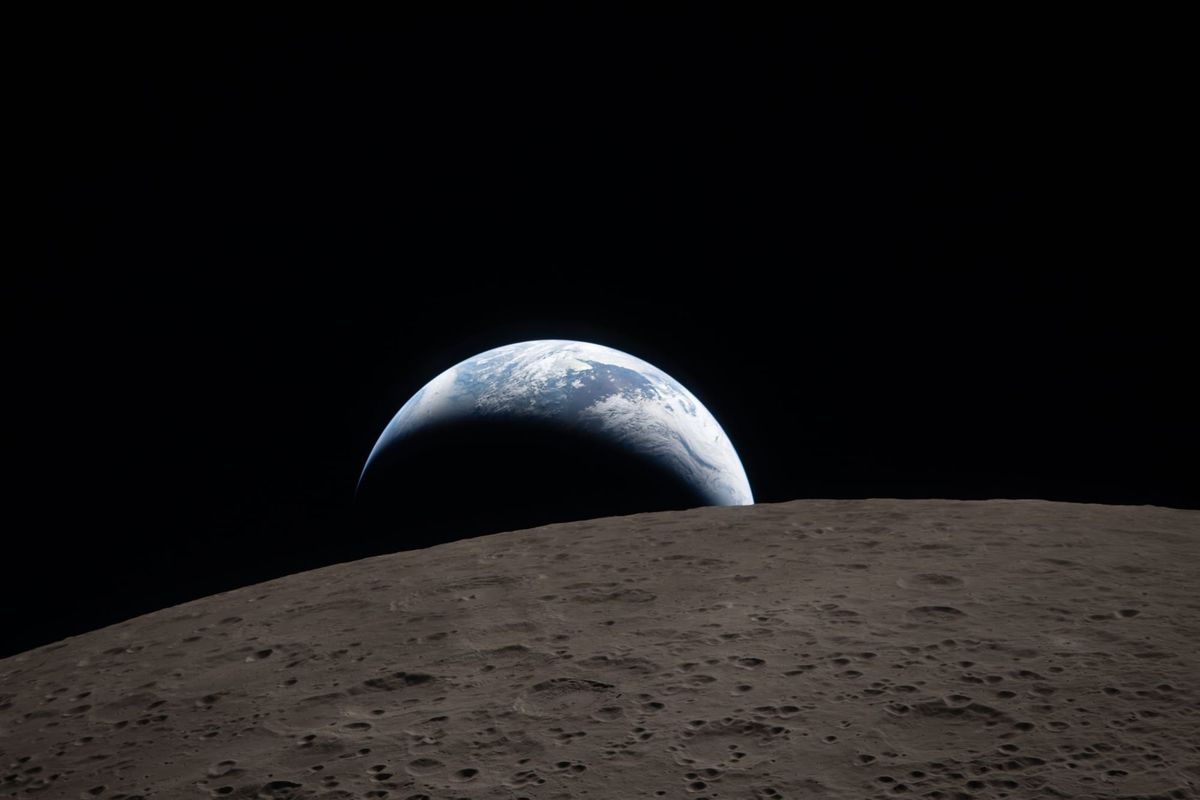
I would love to know if you have been following it. Have you been hooked on Artemis II? And if you have been watching, what has stayed with you: the eclipse, the Earthset photo, the blackout, something one of the crew said? Let me know, just hit reply.