We're going to the moon

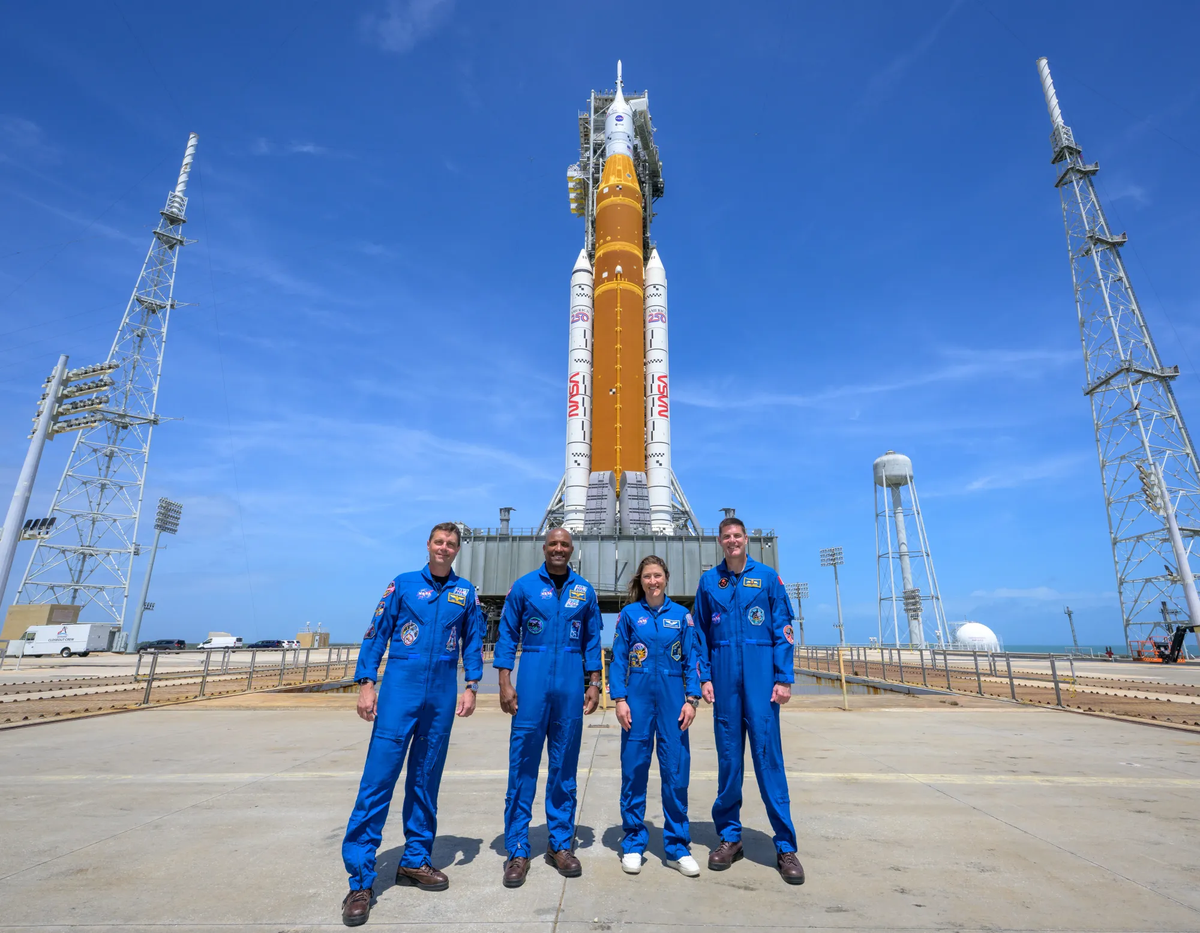
What a week. This is a long one, but it has been a very exciting few days!
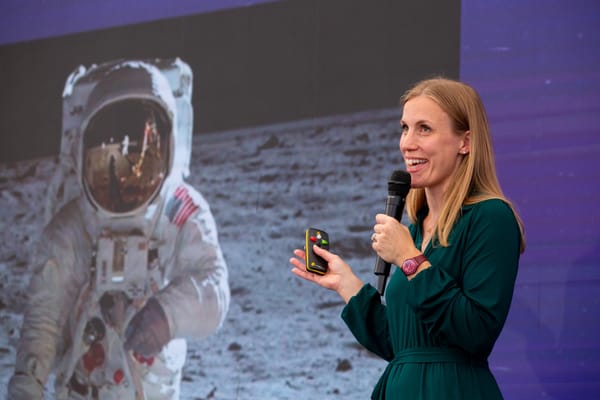
On Saturday morning I was sitting at my kitchen table when my phone rang. Five minutes later I was live on BBC Radio 4's Today Programme to several million people, talking about astronaut psychology and the human performance training we put them through. By the end of the day I had also appeared on BBC Radio 5 Live, and on Wednesday, launch day, BBC Radio 5 Live again, plus local BBC Radio.
All of it was about Artemis II, which is now well underway.
What has happened so far
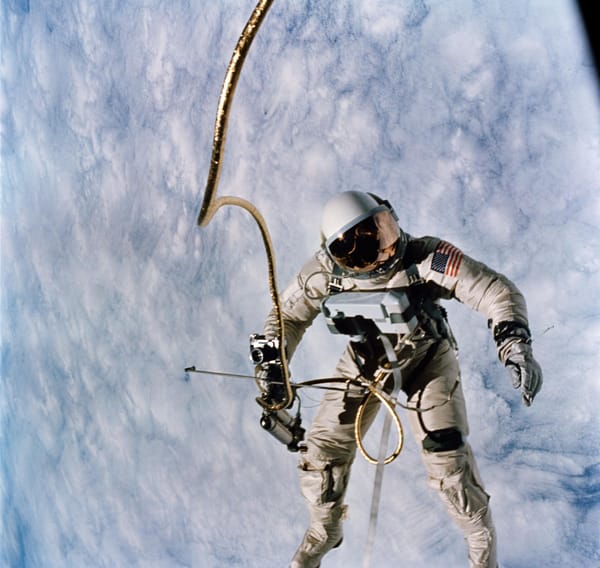
At 11:35pm UK time on Wednesday 1 April, NASA launched four astronauts on the first crewed mission to the moon in over fifty years. Reid Wiseman, Victor Glover, Christina Koch and Jeremy Hansen are now aboard a capsule called Orion, roughly the size of a small camper van, heading to the moon.
Five minutes into the flight, Commander Wiseman radioed back to Mission Control: "We have a beautiful moonrise, we're headed right at it."
Since launch, the crew have been in Earth orbit running systems checks, verifying the life support, the water dispenser, the carbon dioxide removal, and yes, the toilet, which briefly malfunctioned before being fixed. They have tested Orion's manual flying capabilities, slept in broken four-hour shifts, and been woken by Mission Control playing "Sleepyhead" by Young & Sick to monitor an engine burn.
Next up will be a critical moment of the mission: the translunar injection burn, which will commit the spacecraft to its trajectory around the moon. Four days of travel to reach the moon, a day looping around its far side, four days back. Splashdown is expected on 11 April.
The human story
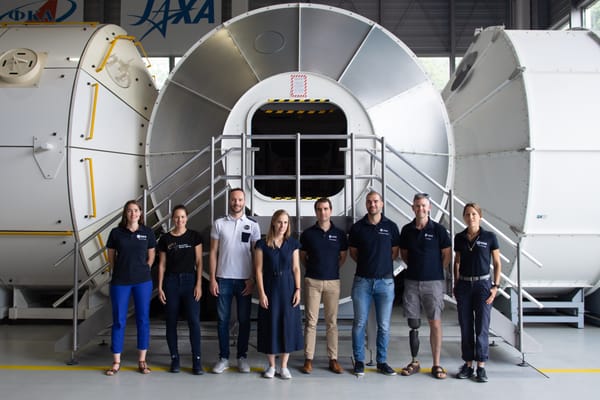
I have been writing about what is happening psychologically inside that capsule, drawing on the crew's own words and on my years training astronauts at ESA. I'm publishing one article every day for ten days, following the mission as it unfolds.
Day 1 is about what it actually feels like to sit on top of a rocket and commit to something no human has done in fifty years. Day 2 is about broken sleep, a malfunctioning toilet, and what the research tells us about how astronauts actually cope with one of the least glamorous challenges in spaceflight.
You can read both articles and follow the series here.
Other brilliant content worth your time
13 Minutes Presents: Artemis II is the BBC's space podcast, following the mission with a new episode every day. It is presented by Dame Dr Maggie Aderin-Pocock, astronaut Tim Peake and US space journalist Kristin Fisher, joined by BBC News Science Editor Rebecca Morelle. You can find it on BBC Sounds and wherever you get your podcasts. Tim Peake, who I worked with closely during his Principia mission at the UK Space Agency, is brilliant on it, as you would expect. Highly recommended.
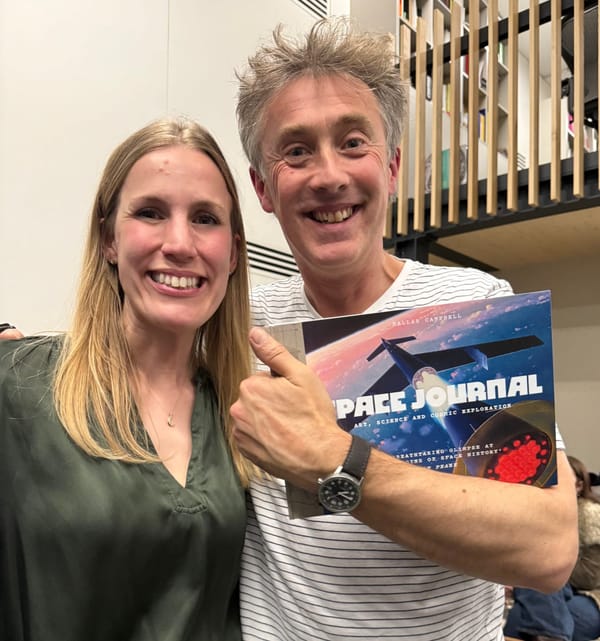
My friend and colleague Dallas Campbell has also been talking about the mission across the BBC this week, worth looking out for if you haven't already caught him. And he’s got an excellent book out this week ‘Space Journal’ that tells more of the history of spaceflight.
And if you missed the BBC Radio 4 Today Programme interview that started all of this for me on Saturday, you can still find it on BBC Sounds. Skip to 1hr 24m
What's coming up
I will be trying to post every day on Substack through to splashdown on 11 April. Each article follows where the crew actually are in the mission and explores one psychological insight from the world of astronaut training and human performance.