Lessons from 60 years of human spaceflight

What 60 years of spaceflight can teach us about human performance
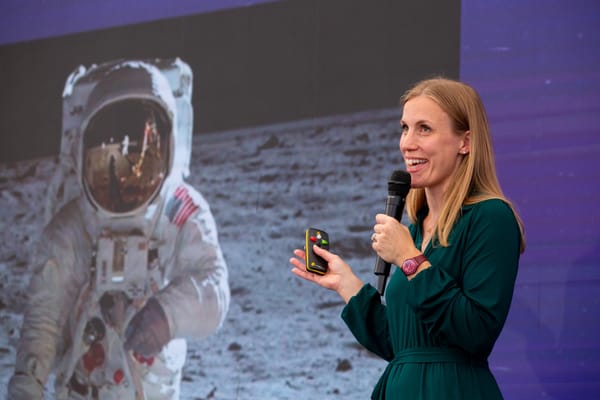
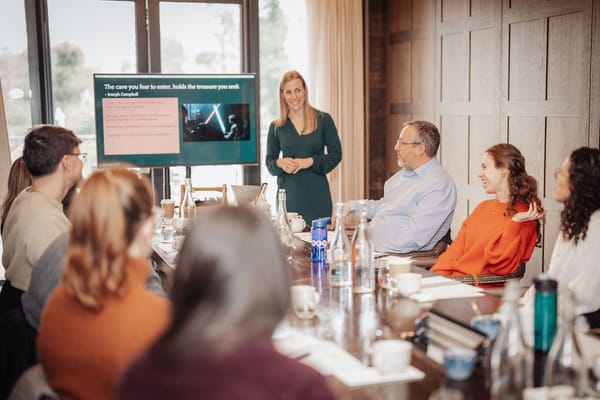
This week I gave a talk at Airbus in Stevenage on something I find really fascinating: how the demands of human performance have shifted across six decades of spaceflight, and what that means for all of us right now.
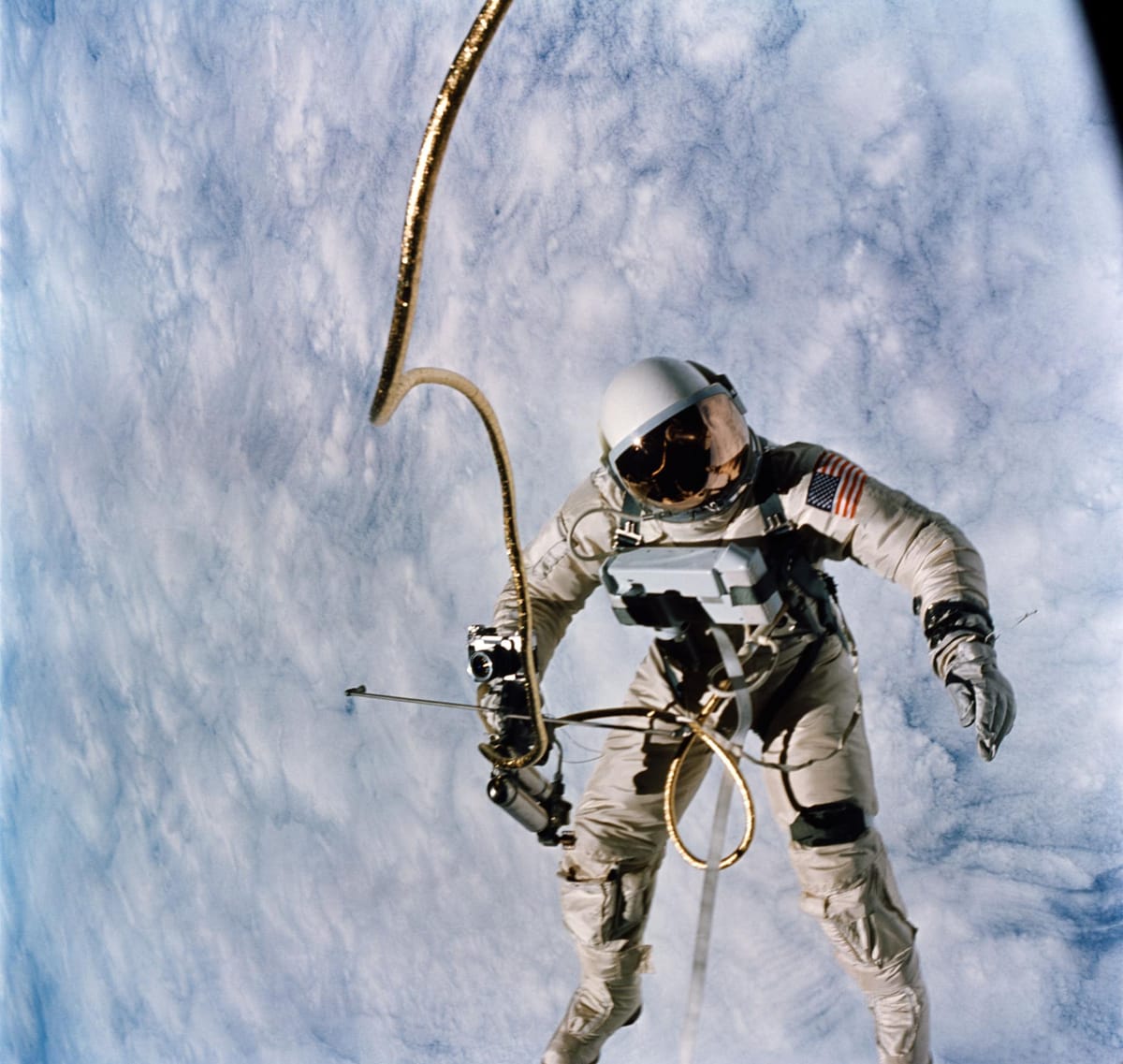
The first astronauts of Mercury, Gemini, Apollo missions were military test pilots, selected for individual technical mastery, physical toughness and nerve. These were short missions in untested technology, doing things no human had ever done. What was needed was someone who could hold it together alone, make split-second decisions and not crack under extreme physical and psychological stress. The lone hero, in other words, which was exactly what those missions demanded.
Then came the Shuttle era, and the Challenger disaster changed everything. Engineers had raised serious concerns right up until the night before launch, but couldn't make their case to management, and seven people died as a result. The subsequent investigation showed that the technical failure had come after a human one. From that point, communication, speaking up and how a crew functions together under pressure moved to the centre of astronaut training.
Then came the ISS, with six-month missions living and working alongside people from different countries, cultures and agencies. Psychological resilience, cultural adaptability and the ability to manage conflict without external support suddenly became as mission-critical as any technical skill. We weren't just asking whether someone could fly the spacecraft; we were asking whether they could live and work productively with their crewmates for six months, far from home.
Each era selected and trained for what that specific mission required. And right now, something is shifting again.
AI is changing what skills matter in almost every sector, including this one. If AI handles the routine, the repetitive and the technical (and increasingly it can) what's left is distinctly human: judgement in ambiguous situations, creative problem solving, the ability to build trust quickly across different teams and cultures, and communication that actually connects rather than just informs.
Which brings me to the question I left the room with this week, and I'll leave you with it too:
What human skills are you bringing to work right now, and are they the ones the next chapter of your career actually needs?